
How Nearsightedness Impacts Gahanna Middle Schoolers
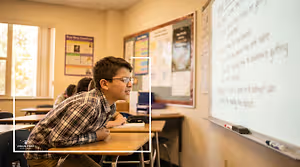
Middle school brings more reading, more screen time, changing schedules, and greater independence. It can also be a time when nearsightedness, also called myopia, becomes more noticeable. A student may begin sitting closer to the board, squinting at signs during after-school activities, or moving a phone closer to their face without realizing their vision has changed.
Nearsightedness makes distant objects look blurry while close-up work remains clear. Because middle schoolers are often busy adapting to new classes and routines, they may not mention vision changes right away. Parents may notice the signs first.
So, what does nearsightedness look like in your teen, and how can our Gahanna eye care team help?
What Nearsightedness Can Look Like in Middle School
A child with myopia may have trouble reading the classroom board, seeing a teacher's presentation, recognizing friends from far away, or following a ball during sports. They may squint, blink often, rub their eyes, complain of headaches, or lose their place while reading.
Vision changes can be easy to miss when a student is doing well academically. Some children compensate by sitting closer, copying notes from classmates, or avoiding tasks that require clear distance vision. A comprehensive eye exam can check more than visual clarity and help identify whether a prescription change is needed.
Blurry Distance Vision Can Affect Everyday Confidence
Clear vision supports far more than seeing the board. When a middle schooler cannot see comfortably at a distance, class participation, sports, clubs, and social situations can feel more difficult. They may hesitate to raise a hand because they cannot read a question, feel distracted during a game, or become frustrated when their eyes feel tired after a full school day.
It is also important to remember that screens do not cause myopia on their own, but long stretches of close work can make students more aware of focusing discomfort. Encourage regular breaks, time outdoors, and good lighting for homework. If distance vision seems blurry or a child's glasses no longer seem effective, an eye exam is the right next step.
Why Progressing Myopia Deserves Attention
Myopia often changes as children grow. A stronger prescription may restore clear distance vision, but it is also helpful to monitor how quickly that prescription changes over time. Higher levels of myopia are associated with a greater risk of certain eye-health concerns later in life, including retinal problems, glaucoma, and myopic macular degeneration.
That is why EyeCare Professionals offers myopia management programs designed to help slow myopia progression in children. After evaluating your child's eyes, visual needs, and prescription history, the doctor can discuss a personalized plan and ongoing monitoring.
Helping Your Student See Clearly at School and Beyond
Middle school is a key time to stay ahead of vision changes. Regular visits give your child's eye doctor a chance to track their prescription, assess eye health, and recommend the most appropriate vision correction. For some students, glasses are the best fit; others may be ready to explore options through a contact lens exam.
The goal is not simply sharper vision today. It is helping your child stay comfortable, confident, and prepared for the visual demands of school, activities, and everyday life.
Schedule a Myopia Evaluation for Your Middle Schooler
If your child is squinting, moving closer to distant objects, or reporting headaches after school, do not wait for the next report card to check in on their vision. Request an appointment with EyeCare Professionals in Gahanna to discuss your middle schooler's vision and myopia-management needs.